Plankton may be minuscule, but it forms one of the most essential foundations of life in the ocean. Mostly invisible to the naked eye, these ancient microorganisms shape entire ecosystems, help produce oxygen, store carbon, and sustain marine food chains on every scale, from small fish to the largest ocean giants. Beyond ecology, plankton is also vital to science, helping researchers understand climate change, pollution, deep geological time, and the history of life on Earth.
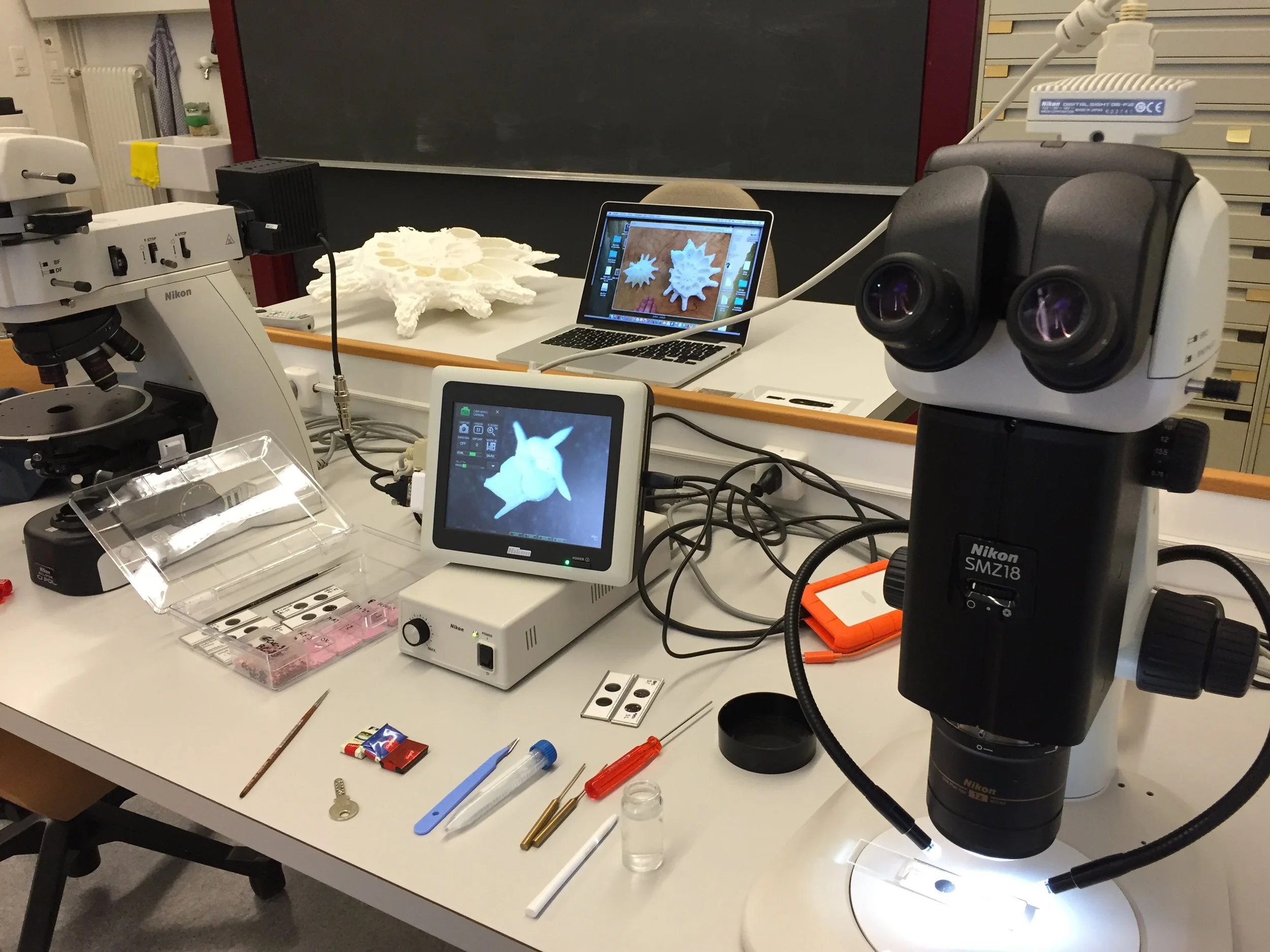
For this project, Vincent Mock had the unique opportunity to collaborate with the GeoSciences Department of the University of Fribourg in Switzerland. Using advanced scientific imaging and nano-scanning technology, organisms that are normally no larger than a tenth of a millimetre were examined in extraordinary detail and digitally enlarged, making their hidden complexity visible and tangible.
COLLECTION
ARTFORMS IN NATURE
Science in Contemporary Art
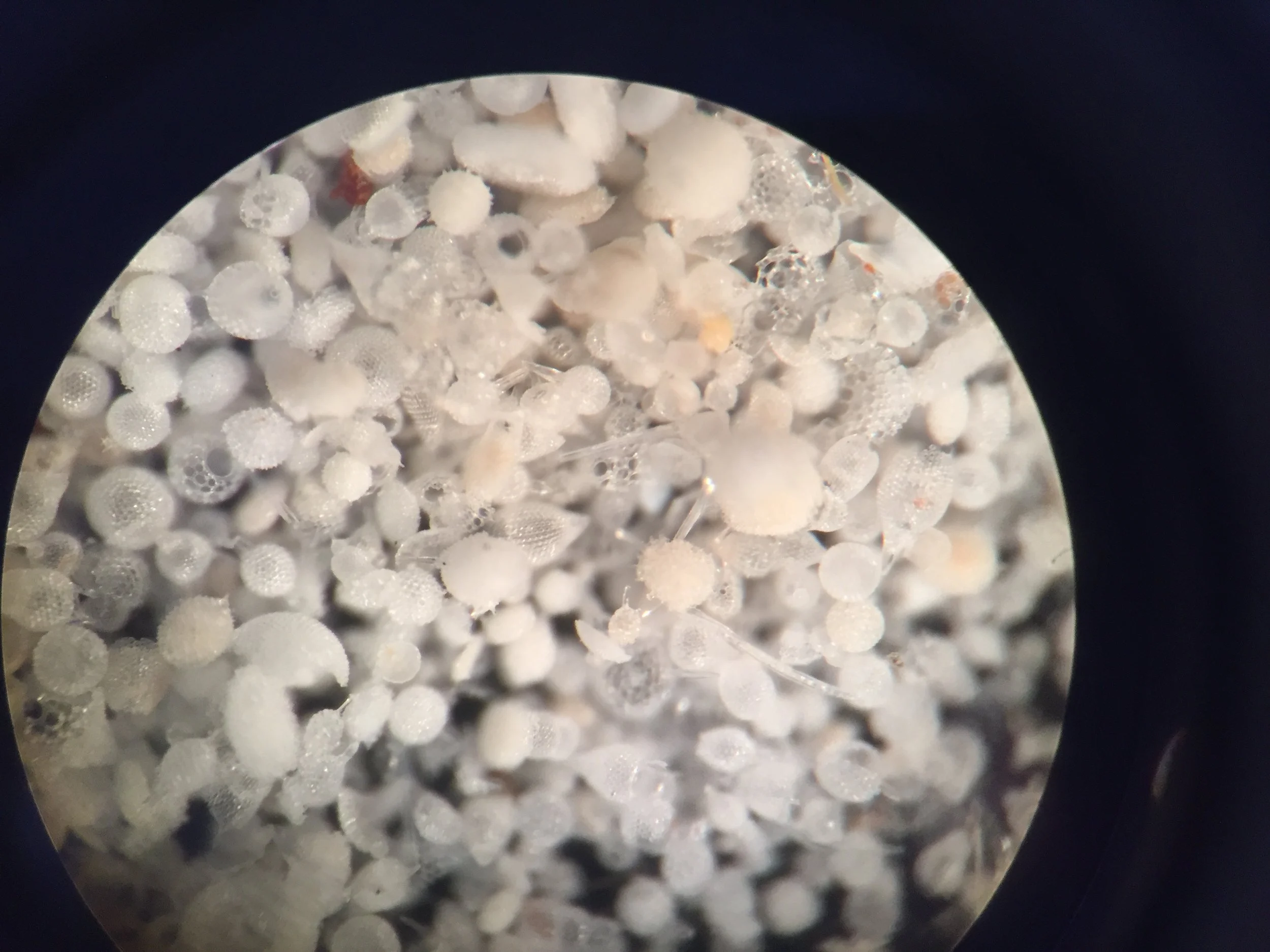
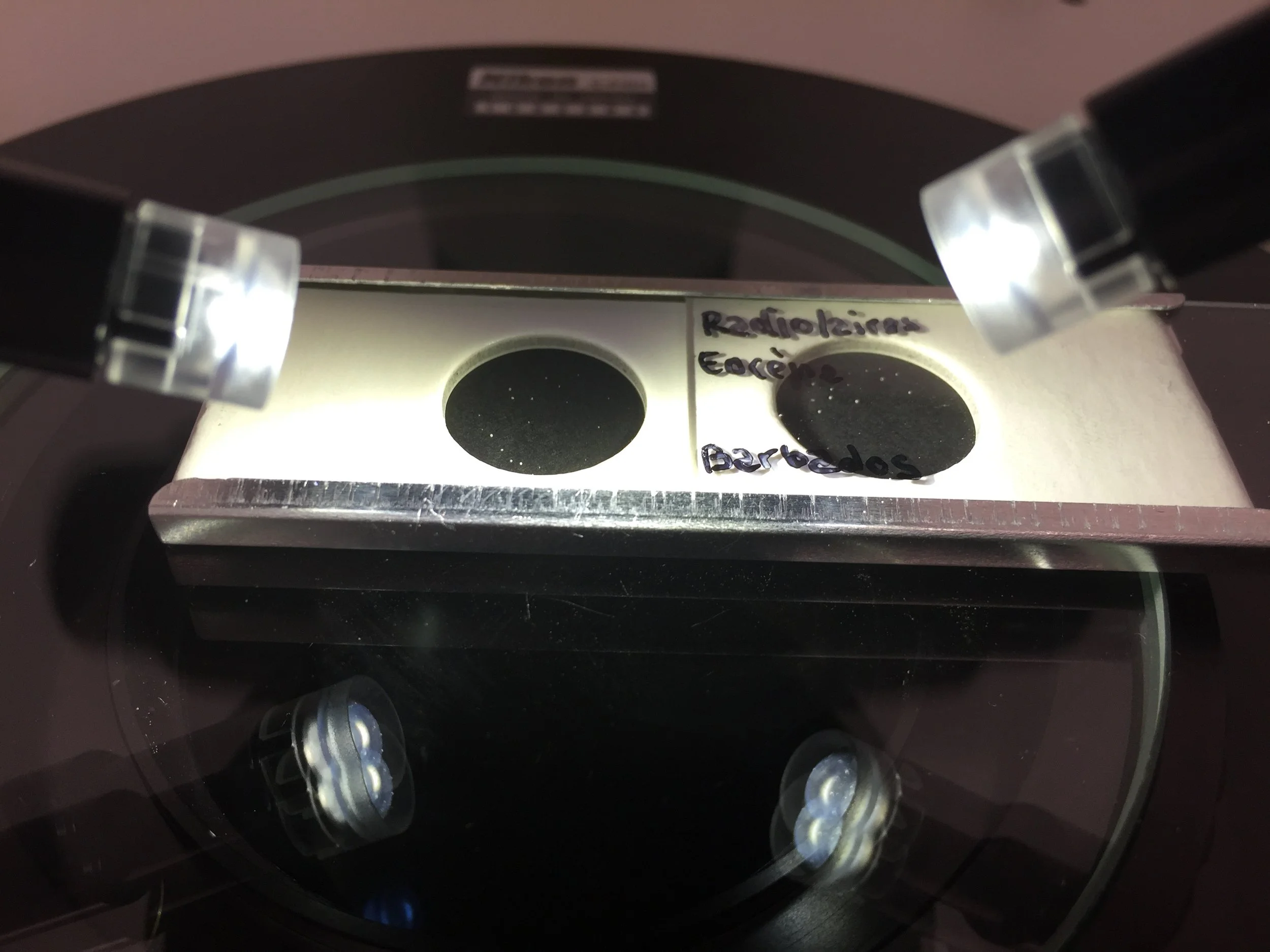
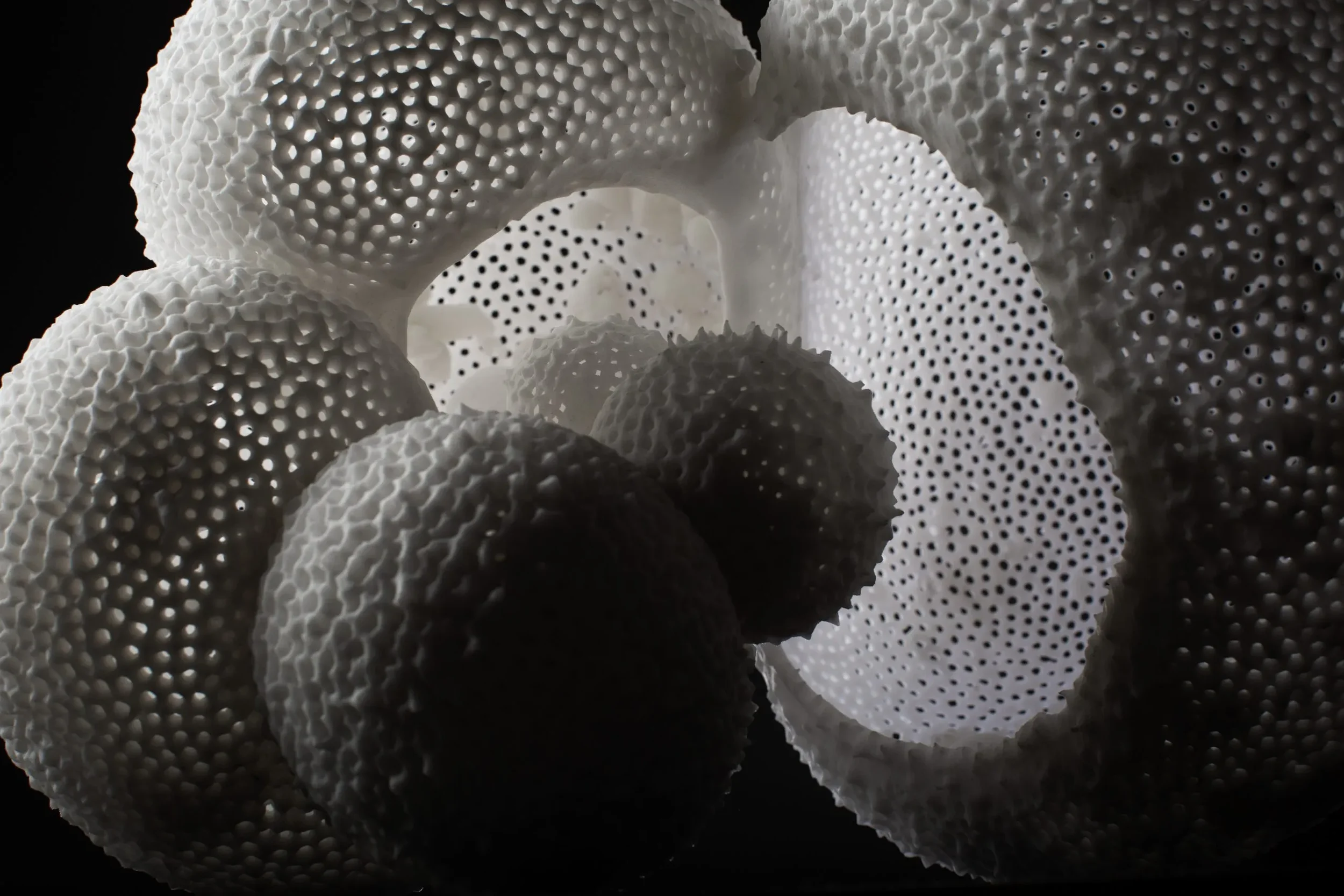
The project also draws inspiration from Ernst Haeckel (1834–1919) and his celebrated work Artforms in Nature. For the very first time, these iconic natural structures can be experienced in three dimensions. The sculptures are exact 3D copies of real planktonic, one-celled organisms, translated from scientific research into contemporary sculptural form.
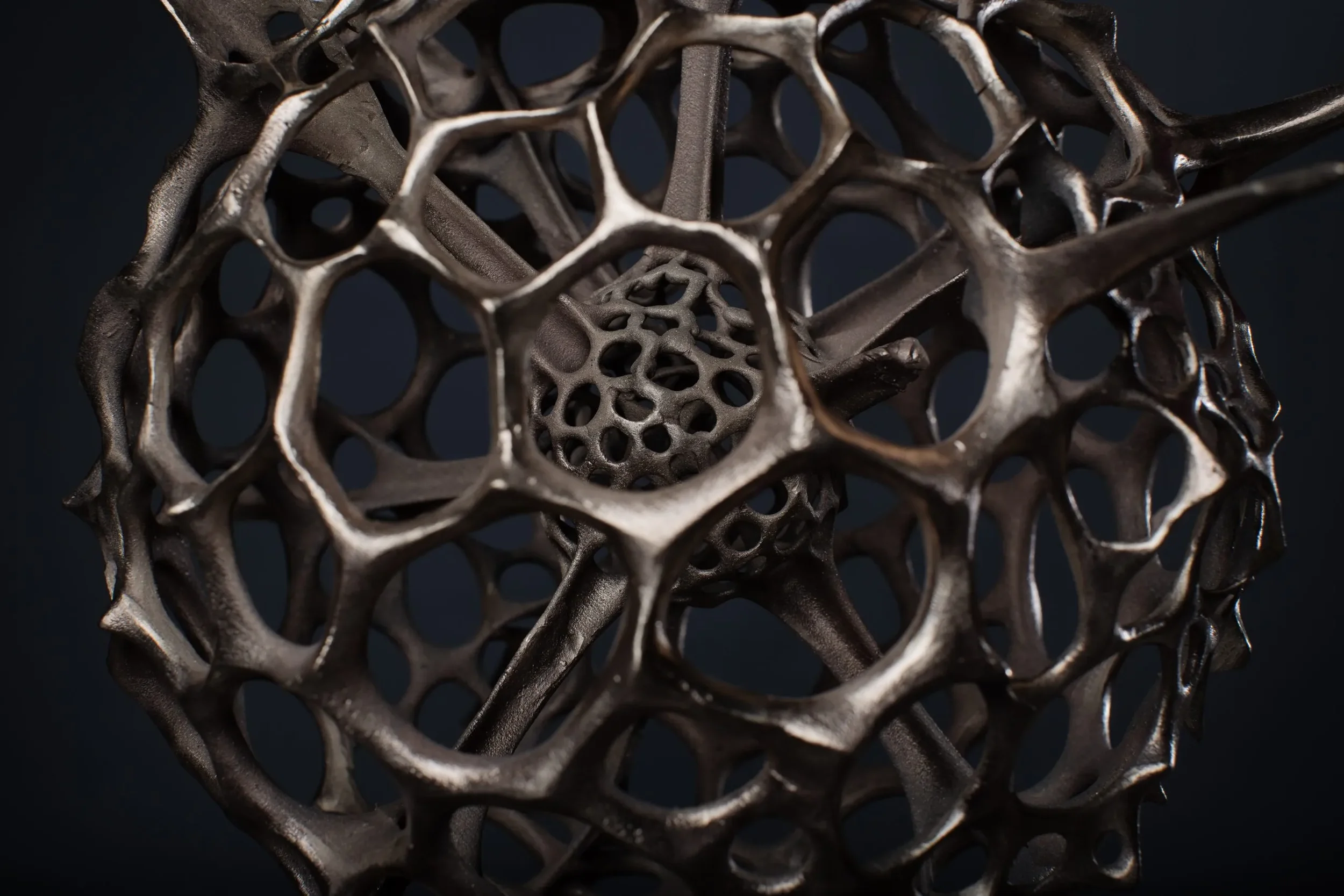
With the support of researchers, a prototype nano-CT scanner was used to reveal delicate internal layers that are normally impossible to see. These scans were transformed into 3D prints and ultimately cast in bronze, resulting in artworks that preserve nature’s precision while giving it a new physical presence.
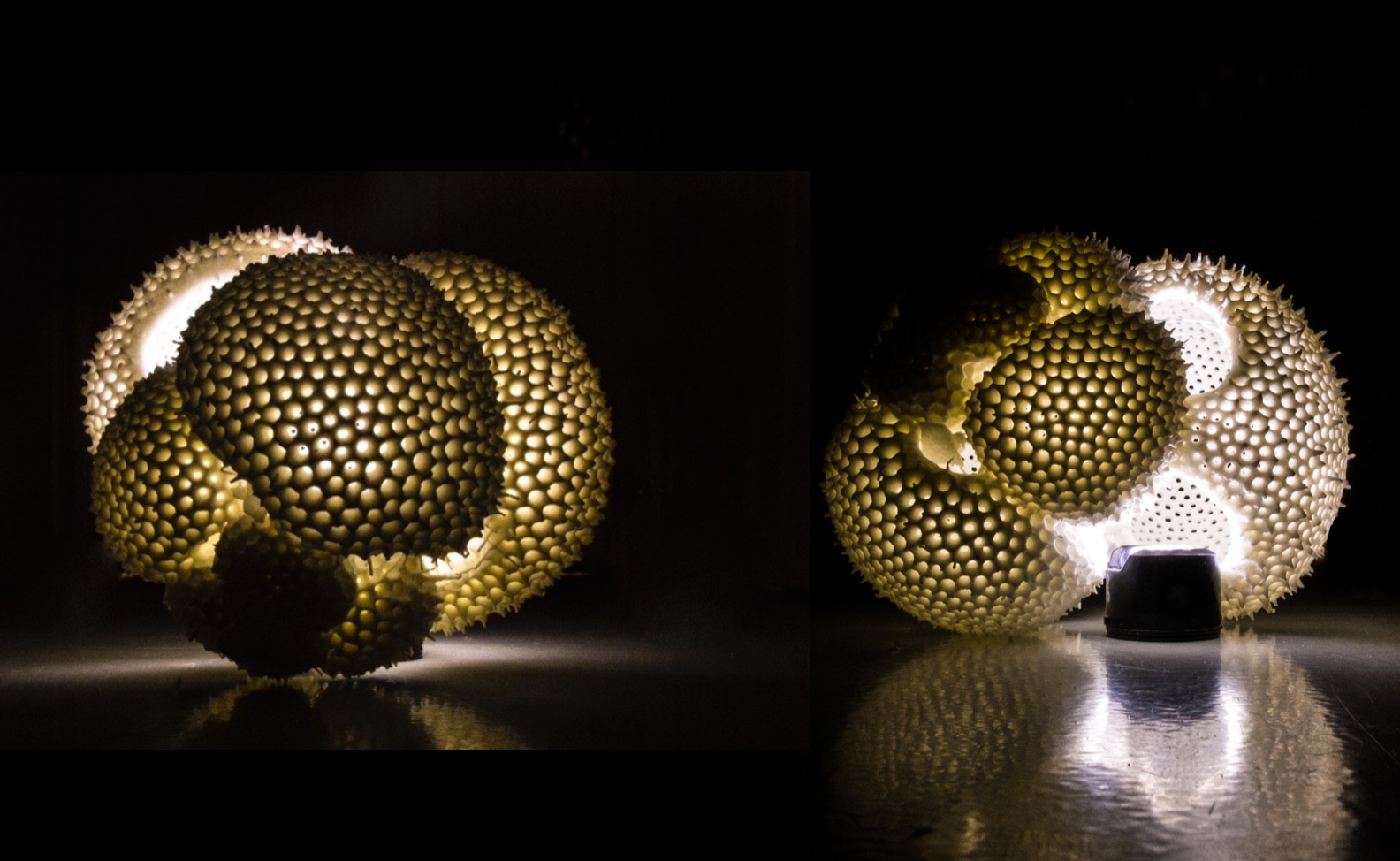
In addition to the 3D prints and bronze sculptures, the project continues to evolve. The most recent development translates these microscopic forms into luminous light objects, allowing plankton’s intricate structures to not only be seen, but also to illuminate the spaces around them.
The Plankton project invites the viewer to step into a world that usually remains unseen. It aims to capture the beauty of the wilderness we still have and reminds us that even the smallest forms of life carry enormous importance for the health of our planet.
Making the invisible visible.
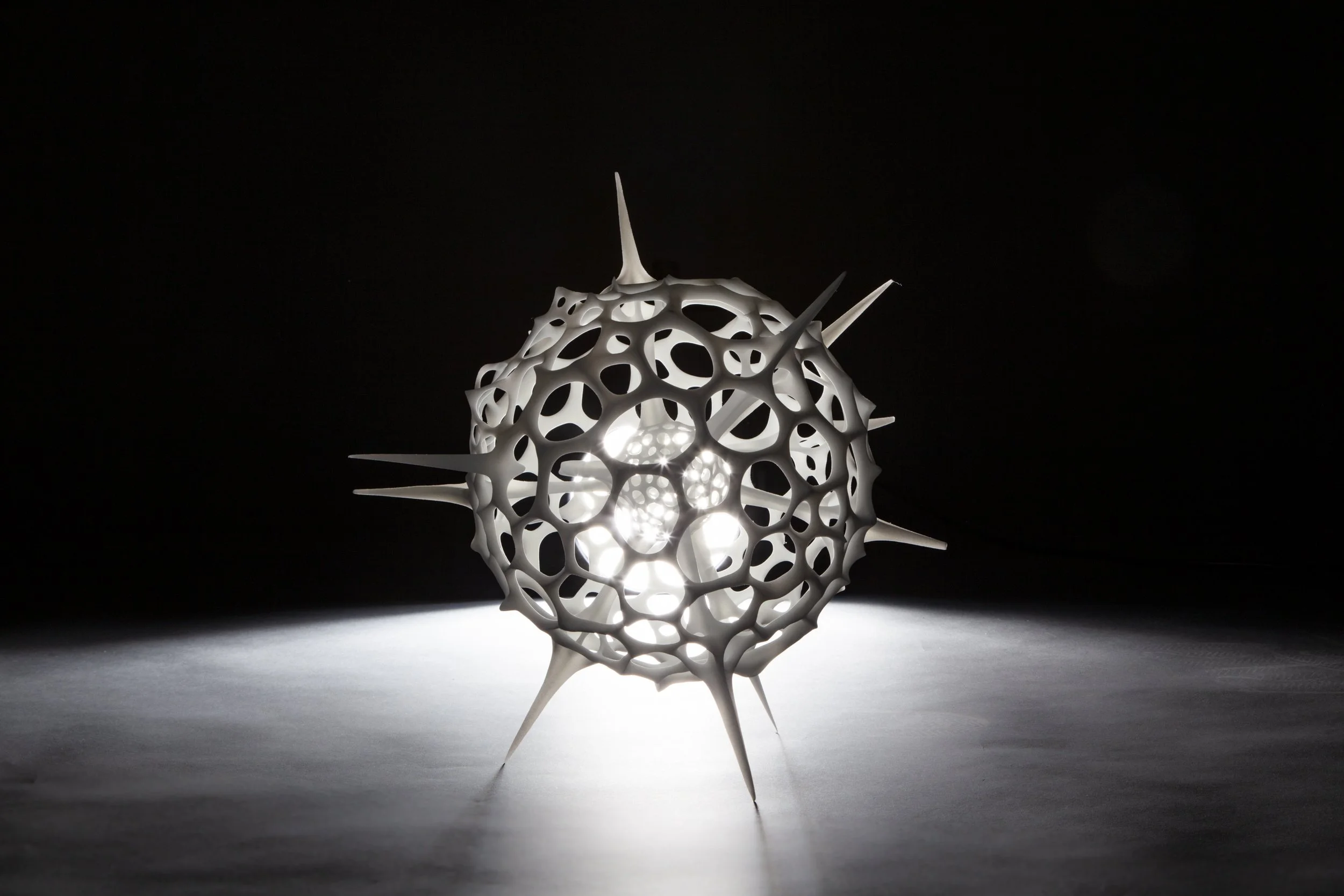
Radiolaria Hexacontium
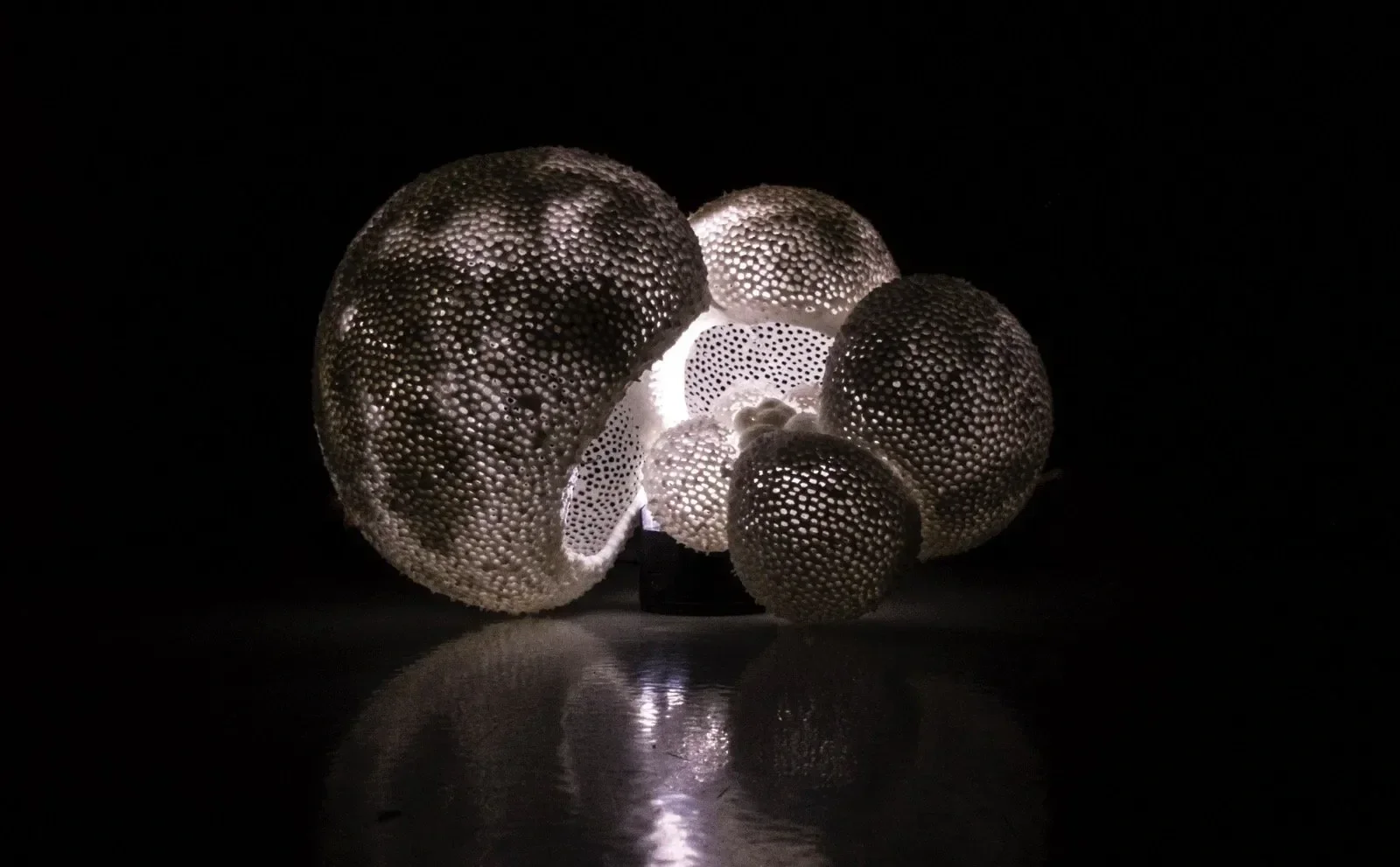
Foraminifera Globerina
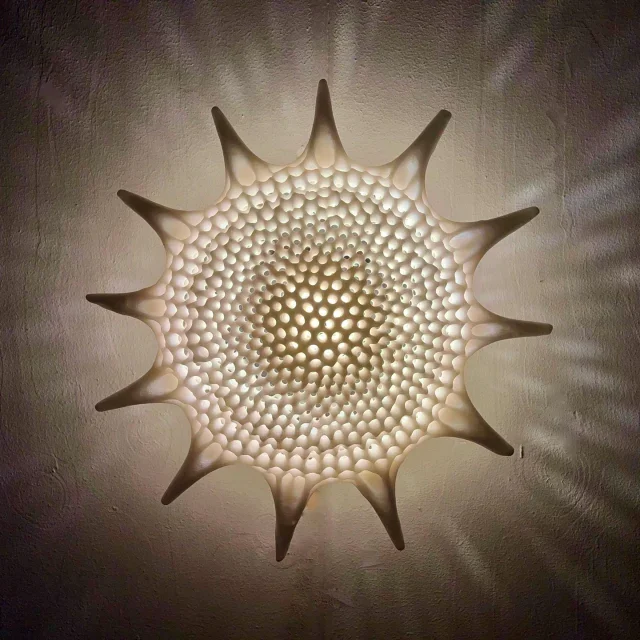
Radiolaria Heliodiscus
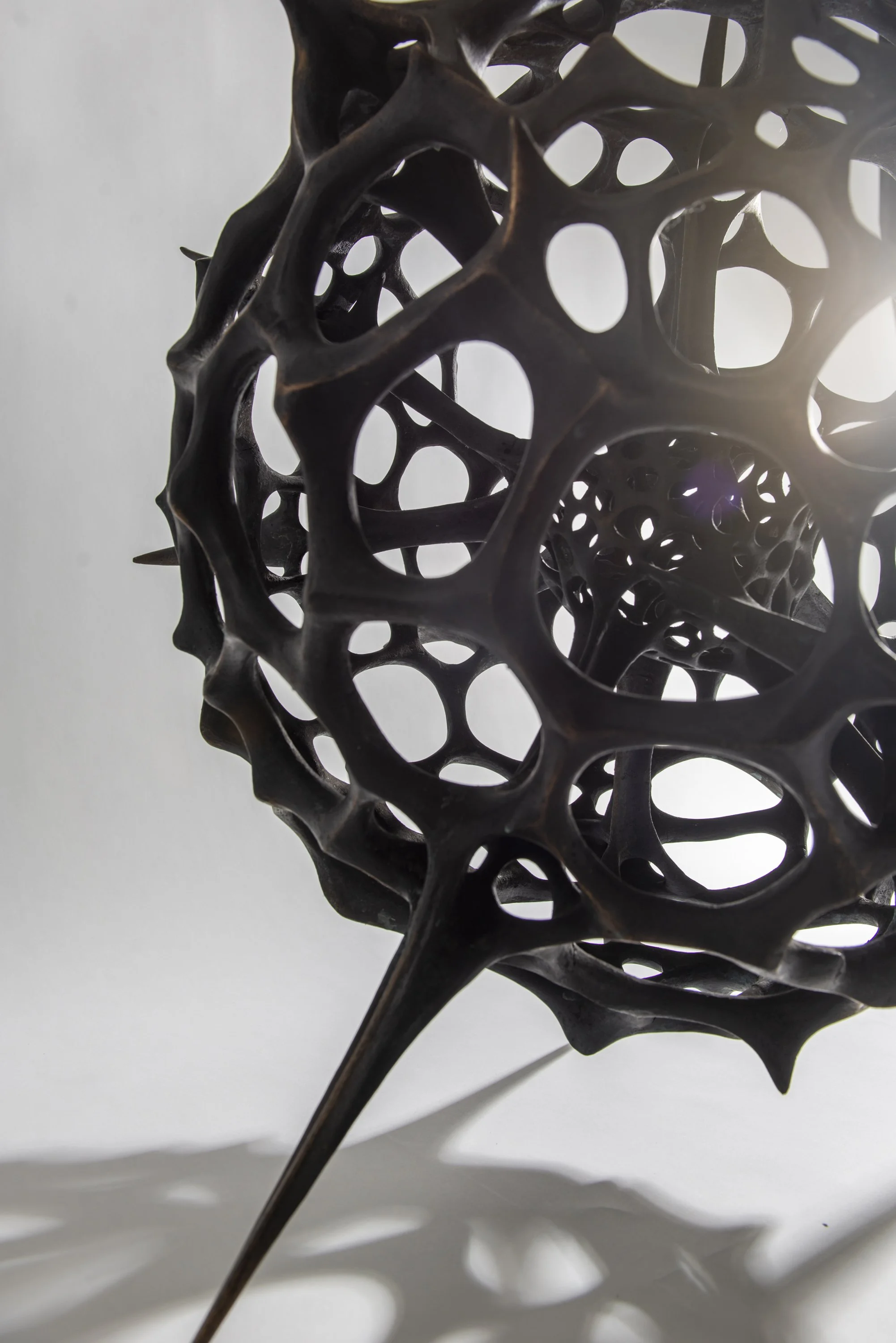
Radiolaria are among the most visually extraordinary life forms in the ocean. They are microscopic organisms, typically around 0.1 mm in size, yet their delicate skeletons form intricate geometric structures that feel more like floating architecture than biology. Hidden in plain sight within marine ecosystems, they carry a quiet beauty most people never get to see.
Through this project, Vincent Mock transforms Radiolaria from something invisible to the naked eye into a sculptural form that can be experienced at human scale. By using scientific imaging and scanning techniques, these tiny organisms are enlarged and translated into three dimensions, revealing an astonishing level of detail, symmetry, and complexity.
What makes Radiolaria especially fascinating is the contrast between fragility and significance. Their structures appear delicate, almost weightless, yet they belong to the vast network of life that supports the ocean’s ecosystems. The work invites viewers to slow down and look closer, shifting attention from the ocean’s giants to the microscopic world that quietly holds everything together.
Radiolaria celebrates the unseen. It is a tribute to nature’s precision and a reminder that even the smallest life forms can carry monumental importance.
Radiolaria Hexacontium
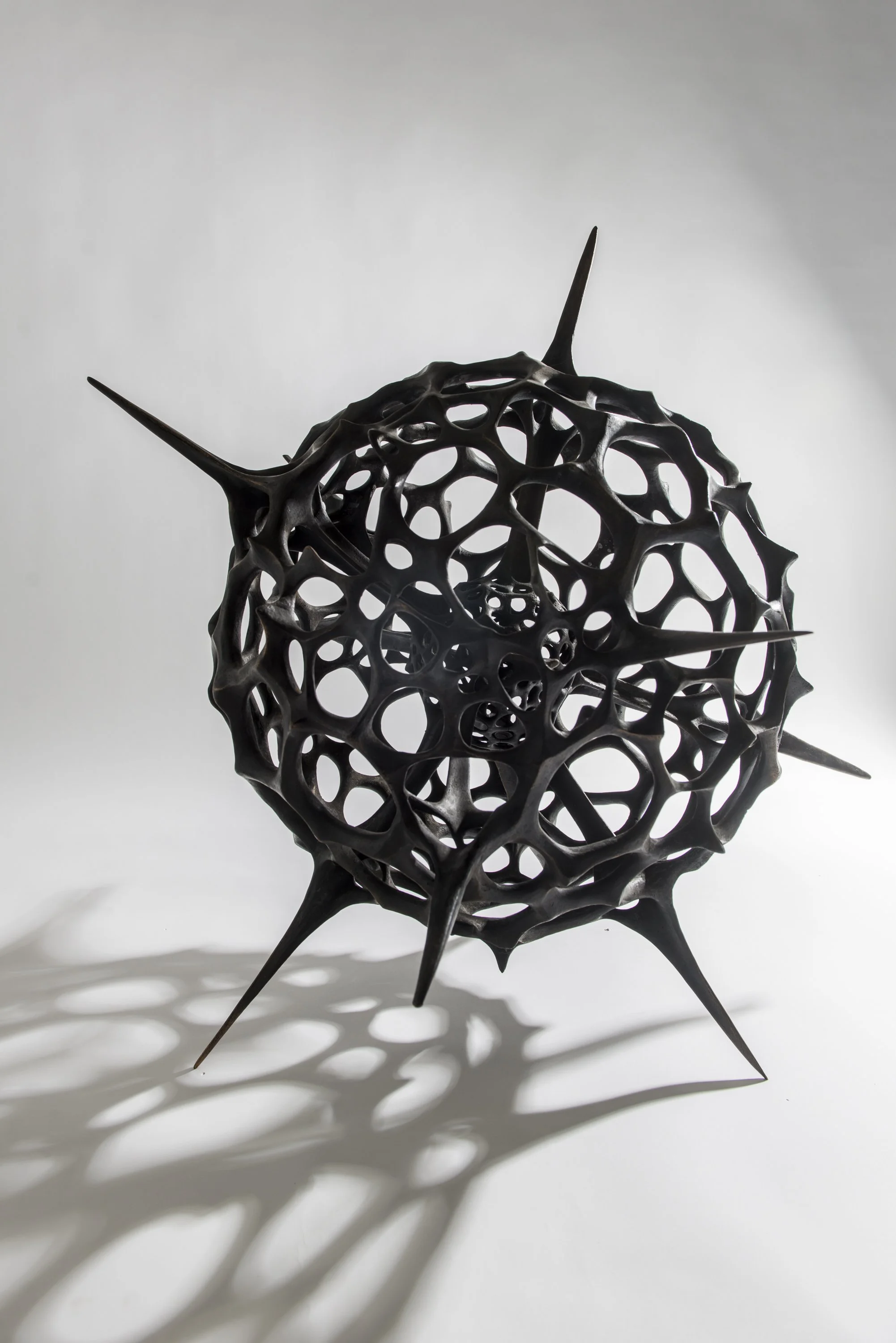
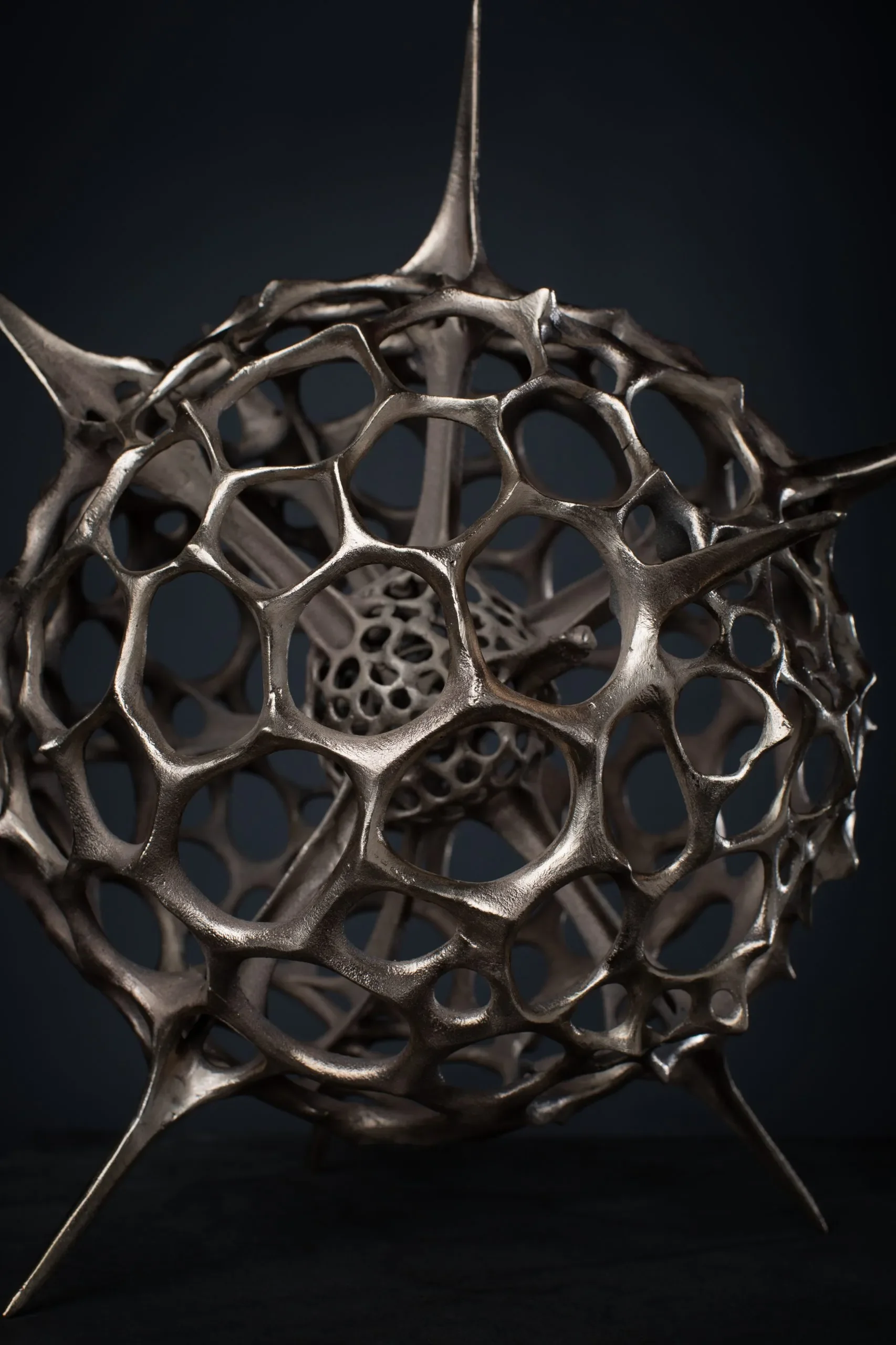
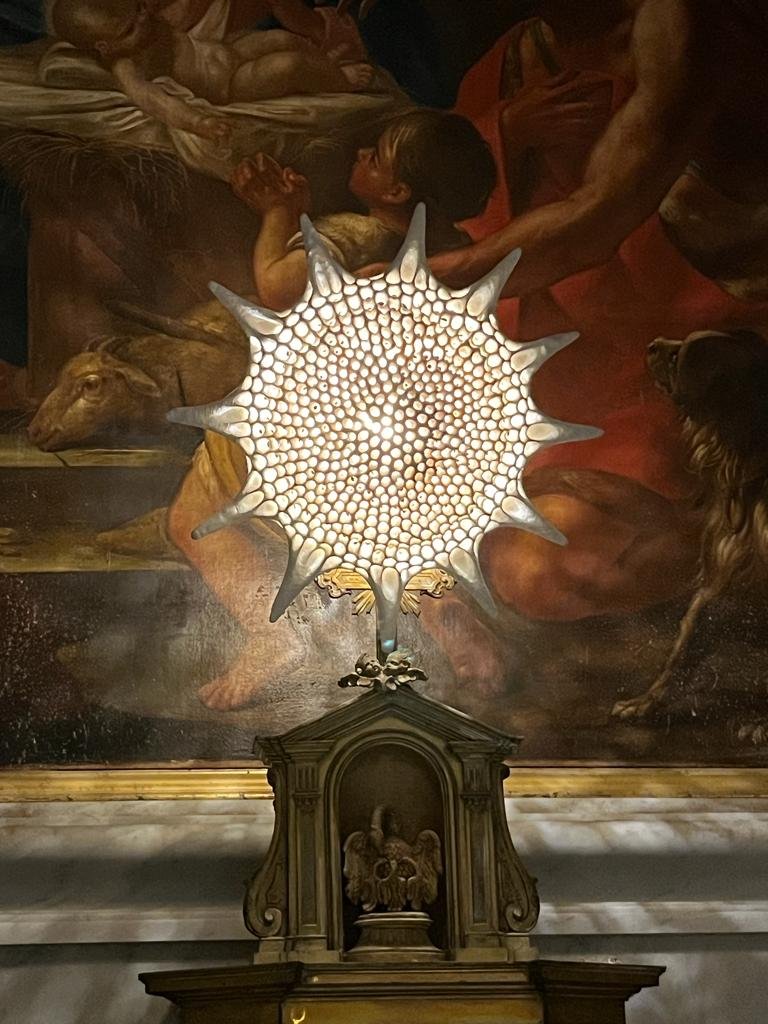
Radiolaria are microscopic organisms, typically around 0.1 mm in size, yet they carry a level of structural beauty that feels almost unreal. Heliodiscus is one of the most striking examples: a perfectly balanced form that looks like a miniature sun, a delicate disc radiating symmetry and precision in every direction.
Through this project, Heliodiscus is transformed from something invisible to the naked eye into a sculptural object that can be experienced at human scale. Enlarged using scientific imaging and nano-scanning technology, its intricate geometry becomes tangible, revealing details that are normally hidden inside the ocean’s smallest worlds.
What makes Heliodiscus especially captivating is how naturally it translates into light. Its radiating structure interacts with illumination in a way that feels effortless, turning the organism into something that resembles a luminous design object rather than a biological specimen. In light form, it becomes both sculpture and atmosphere — a quiet glow that highlights the elegance of nature’s engineering.
Radiolaria (Heliodiscus) celebrates the idea that beauty does not need size to have impact. It invites the viewer to look closer, to slow down, and to experience how microscopic life can inspire wonder, awareness, and a new way of seeing the ocean.
Radiolaria Heliodiscus
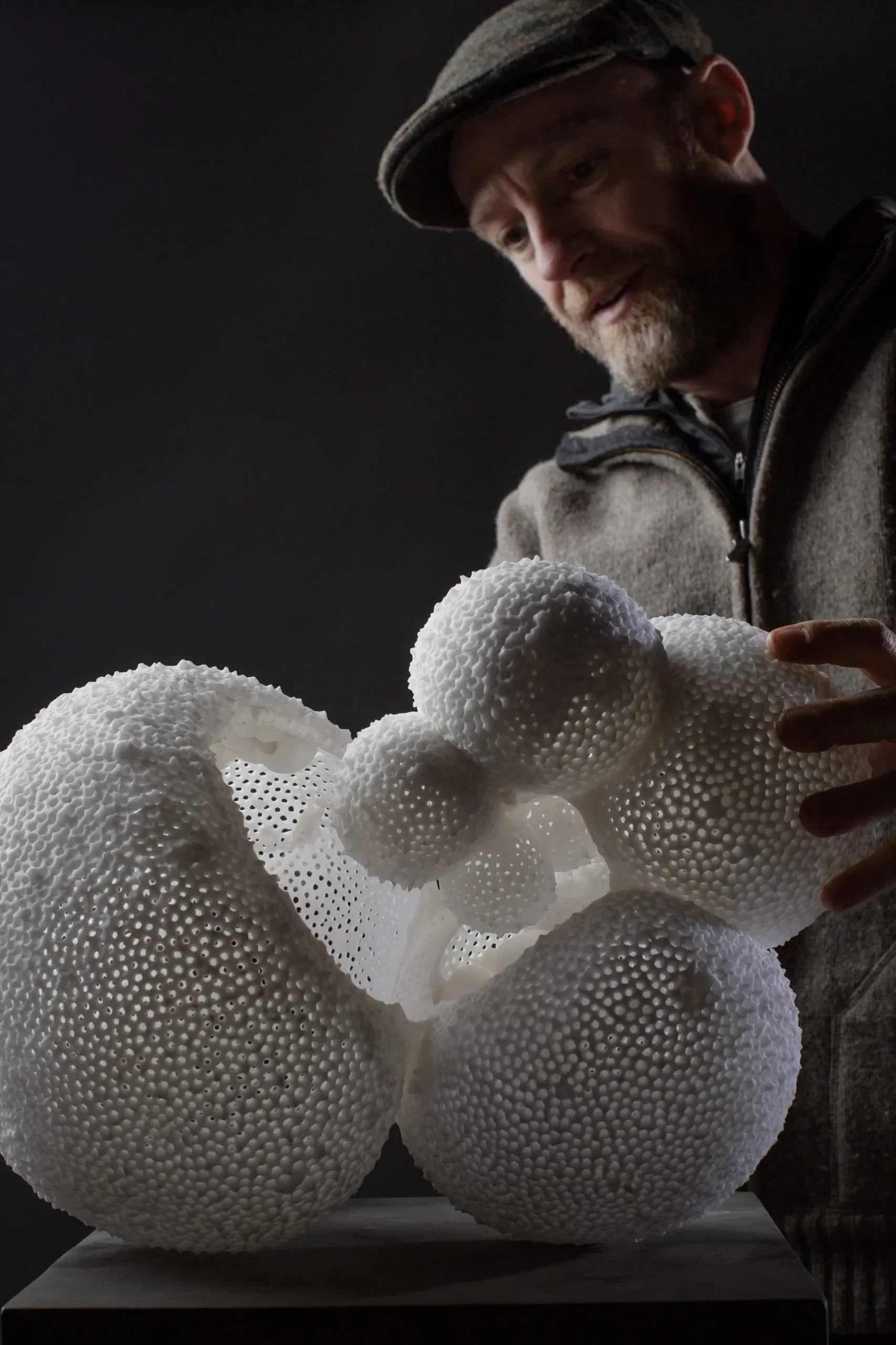
Foraminifera are some of the ocean’s most fascinating microscopic architects. Among them, Globerina stands out for its delicate, spherical structure, formed by a shell that feels both ancient and futuristic. Although these organisms are typically around 0.1 mm in size, their intricate forms contain a level of detail that rivals the most complex design objects.
Through this project, Vincent Mock transforms Globerina from a life form that normally remains invisible to the naked eye into a sculptural presence that can be seen, studied, and experienced in real space. Using nano-scanning technology and scientific imaging, the original organism is enlarged and translated into three dimensions, allowing its structure to be revealed with remarkable precision.
Beyond their beauty, foraminifera play a crucial role in science. Their shells preserve records of changing ocean conditions and are used as indicators for understanding climate history, environmental shifts, and deep geological time. In this way, Globerina is not only an aesthetic phenomenon, but also a messenger of the planet’s past.
Foraminifera (Globerina) celebrates the elegance of the microscopic world and reminds us that the smallest organisms can carry the biggest stories.
Foraminifera Globerina